
 close
close


 LOGIN
LOGIN
You are viewing 1 of your 1 free articles
Academy players: the coach's role in their success
John Allpress gives his expert view on what it takes for an academy player to succeed – and how a coach can help



Make no bones about it: getting a career in professional football is a tough assignment. Less than 2% of youngsters in the academy system go on to have professional careers, and many exit the journey long before they want to.
A mixture of luck, opportunity and football ability will give young players a fighting chance of getting recognised and recruited into the game. Most academy players are good footballers, but there is a vast difference between good, and good enough to get a job as a professional. In the end, simply being good gets academy players released, as talent alone fails every day.
Attitude and character will help them stay the course. 80% of success is showing up. The extra 20% is to show up with the right mindset time and time again. Nobody is talented enough not to work hard and show enthusiasm for their practice, because the only place success comes before work is in the dictionary.
The top players aren’t superhuman
When youngsters engage with professional football, be it watching a match, reading about the weekend’s results or talking about a team’s performance, certain players will always stand out to them. When you see these top stars performing, what you are really seeing is the result of many years of demanding work, dedicated focused practice, and sacrifice, which has often seen them putting training and match play above all else.
These players are not superhuman, but they do have traits that not everyone has:
- They have a passion and will to succeed that often borders on obsession.
- They love what they do.
- They know what they want, sometimes from a very young age.
- They are prepared to make sacrifices, and suffer in the pursuit of mastery.
- Once they have learned something, they are prepared to practise ferociously to maintain and enhance their skills.
- They have a great thirst for knowledge and an eagerness for the minutia of their craft to become the best possible version of themselves.
- They can collaborate well with other people whether they warm to them or not for the ultimate good of their unit or team.
- They stay calm and level-headed so they can be part of the solution rather than the problem.
- They welcome the pressure-cooker atmosphere of the biggest matches against the toughest teams. They can step up in the big moments and look forward to the competition and the rivalries at that level.
- They understand that in sport you do not always get what your performance deserves and respond positively to these setbacks. They have the fortitude to hang on in there when the going gets tough and trust the process that with the right attitude and focused deliberate practice they will eventually master their challenges and become more skilful.
- They prepare well and avoid distractions.
- They make the best decisions on and off the pitch and recognise when things must change.
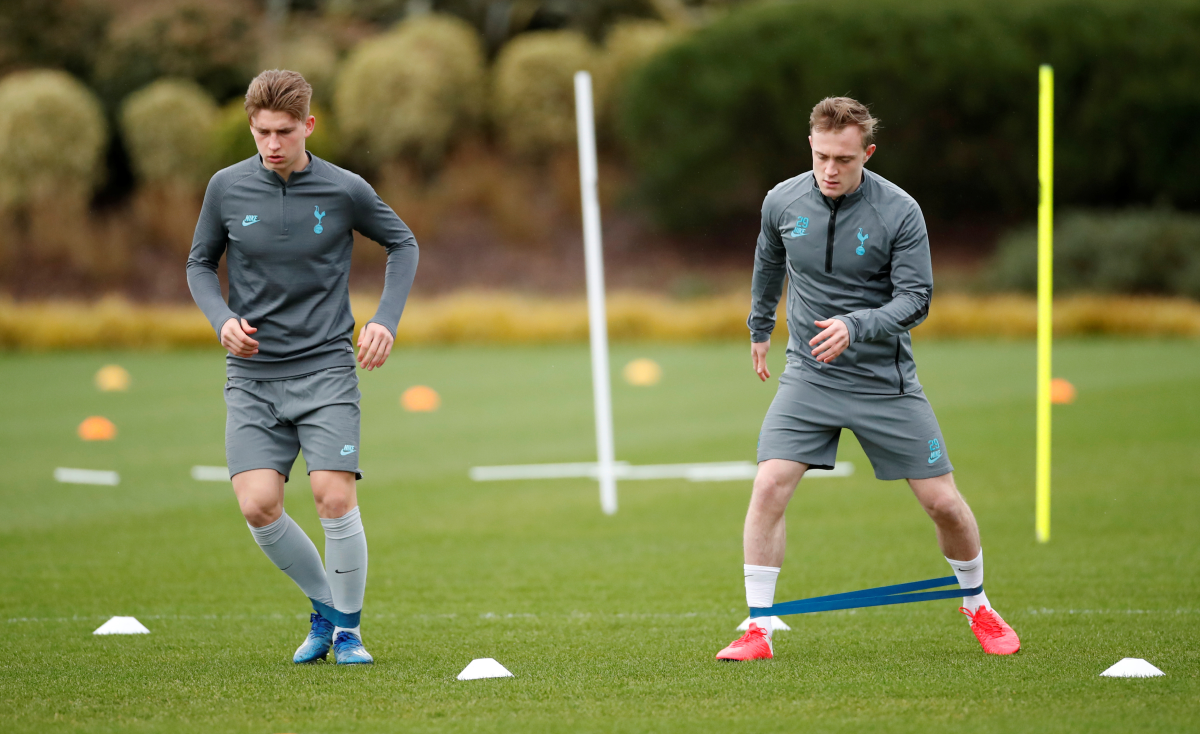
Without doubt, an individual’s natural football ability will have a bearing on how effective a player they may become, but in the long run, devotion to learning alongside quality, deliberate focused practice will be equally significant in determining how a career may play out.
2% - the percentage of youngsters in the academy system that go on to have professional careers
Youngsters must enjoy playing, learning and practising in equal measure.
There are a wide array of aspects players must develop to give themselves a shot at a professional career. These can be divided into three basic categories.
- Learning and practising how to do things like receiving to pass, receiving to turn, receiving to dribble or run with the ball, receiving to shoot all with the ball coming at you at varying angles, heights and speeds, how to head the ball in attack and defence, plus how to tackle if necessary.
- Learning and practising how to use things to become more skilful by regularly applying the above technical routines on demand, under pressure in realistic situations, during matches or training sessions, all of which requires accomplished decision making to an excellent standard. An exceptional technician but a poor decision-maker will be a bad player in the long run. It’s almost better to be an average technician and an exceptional decision-maker.
- Learning and practising the habits and attitudes which help you gain a deeper knowledge of yourself and how you become the best version of yourself you can be. For the coach, this involves knowing what learning and practice is and the difference between them.
Learning is what you do when you don’t know what to do, but practice is what you do when you do know what to do and want to get better. But neither can be a hit-and-miss affair, and the environment that allows them to flourish involves honesty, integrity, authenticity, positivity and affirmation. If you have not learnt, you cannot practise, but progress often involves both elements working simultaneously and in unison.
The coach’s role
In an academy, the job of the coach is to provide these learning and practice opportunities by producing sessions and matchday experiences that always challenge the best players and are interesting, varied and enjoyable.
The focus should be solidly on progression, not perfection, where mistakes are permitted, exploration and experimentation encouraged, and effort and intent applauded. Results can never be the sole focus or objective of your work as this will compromise your ability to develop the players’ potential. Learning and practice must always be front and centre.
Players at academies have the will and the drive to win but none of them know how good they can be. The coach is there to provide them with the opportunity to find out; creating the environment where they learn to recognise the importance of and strike a balance between winning and mastery.
The task is to build a footballer and equip them for their long audition by helping them understand that as well as being a good learner and skilful technician, they need some other qualities.
- They need a growth mindset where they believe their ability can be advanced through practice.
- They are ready to embrace the challenges that lie ahead.
- They are stubborn and persist in the face of setbacks and mistakes.
- They see effort and practice as the road to mastery.
- They do not have a sense of entitlement, and value criticism and useful feedback.
- They are humble and inspired by the success of others who may or may not be in their team.
Related Files

The golden moments
Be ambitious for your players. Your ultimate task is to help your players to get a job in the game and equip them to keep it by preparing them for the challenges they will face technically, physically, psychologically and socially.
Remember, every environment you create is an opportunity for you and your players to learn and practise. Encourage your players to make use of you by asking good questions and arguing their point respectfully and rationally in the pursuit of excellence and elite behaviours.
Applaud their good play and aim to catch them doing things well. Be on the look-out for golden teaching moments, and be ready to smile and laugh with them, because when they relax and enjoy things, they learn and practise more effectively.

Get a free issue

Latest Issue

Subscribe Today

Editor's Picks
Turning defence into a fast attack
Attacking transitions
Deep runs in the final third
Using the goalkeeper in build-up play
Intensive boxes drill with goals
Penetrating the final third
Creating and finishing
My philosophy
Pressing initiation
Coaches' Testimonials

Alan Pardew
Arsène Wenger

Brendan Rodgers
Carlos Carvalhal

José Mourinho

Jürgen Klopp

Pep Guardiola

Roy Hodgson

Sir Alex Ferguson

Steven Gerrard
Get a free eBook
Coaches' Testimonials

Gerald Kearney, Downtown Las Vegas Soccer Club

Paul Butler, Florida, USA

Rick Shields, Springboro, USA

Tony Green, Pierrefonds Titans, Quebec, Canada

Join the world's leading coaches and managers and discover for yourself one of the best kept secrets in coaching. No other training tool on the planet is written or read by the calibre of names you’ll find in Elite Soccer.
In a recent survey 92% of subscribers said Elite Soccer makes them more confident, 89% said it makes them a more effective coach and 91% said it makes them more inspired.
Get Monthly Inspiration
All the latest techniques and approaches


Since 2010 Elite Soccer has given subscribers exclusive insight into the training ground practices of the world’s best coaches. Published in partnership with the League Managers Association we have unparalleled access to the leading lights in the English leagues, as well as a host of international managers.
Elite Soccer exclusively features sessions written by the coaches themselves. There are no observed sessions and no sessions “in the style of”, just first-hand advice delivered direct to you from the coach.
