ZOOM Q&A WITH KEITH ANDREWS - FEB 25 - DETAILS HERE

 close
close


 LOGIN
LOGIN
You are viewing 1 of your 1 free articles
Turning defence into a fast attack
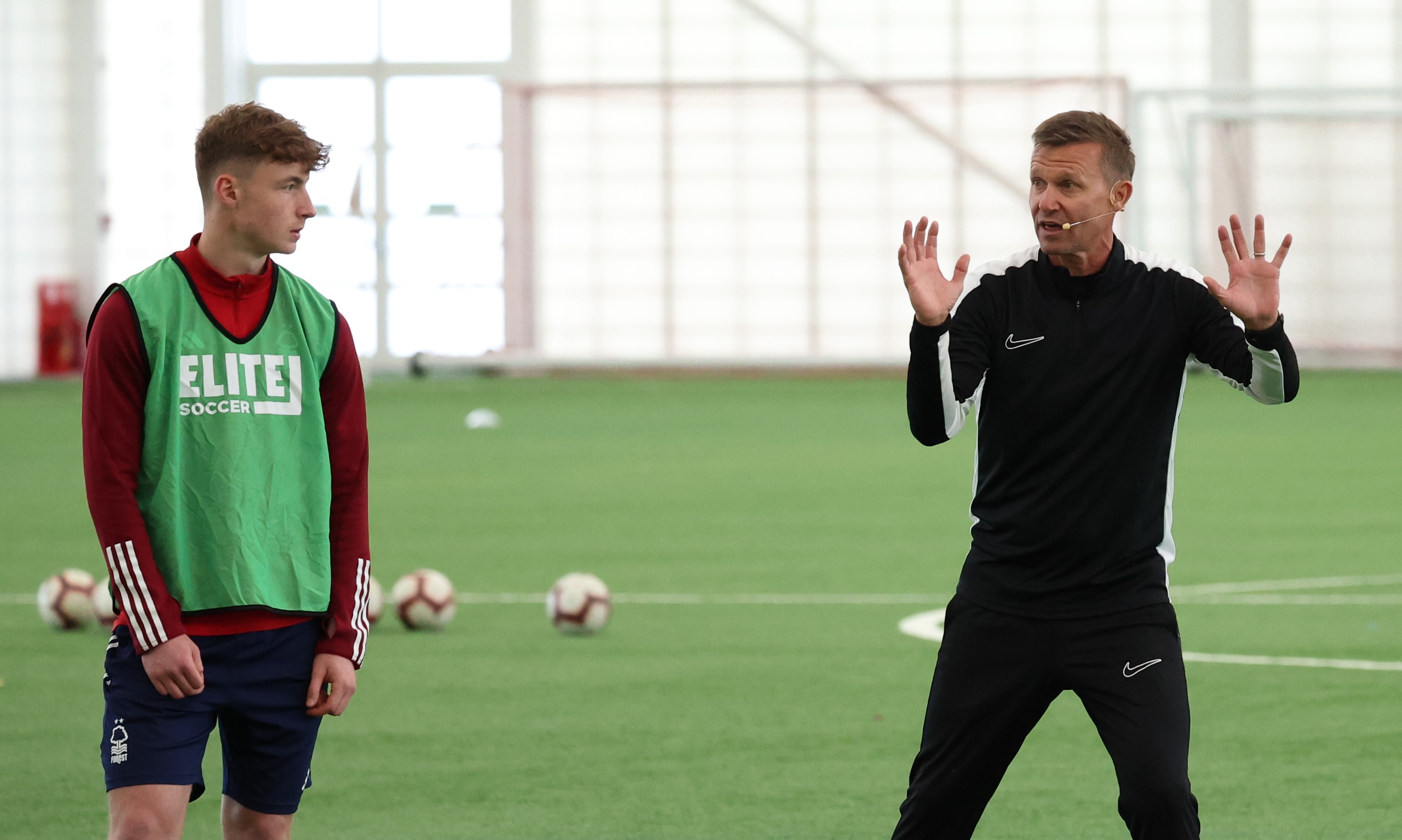
This session is all about turning defending into a fast attack. We do this by working together as a unit, staying connected, and blocking or screening passes.


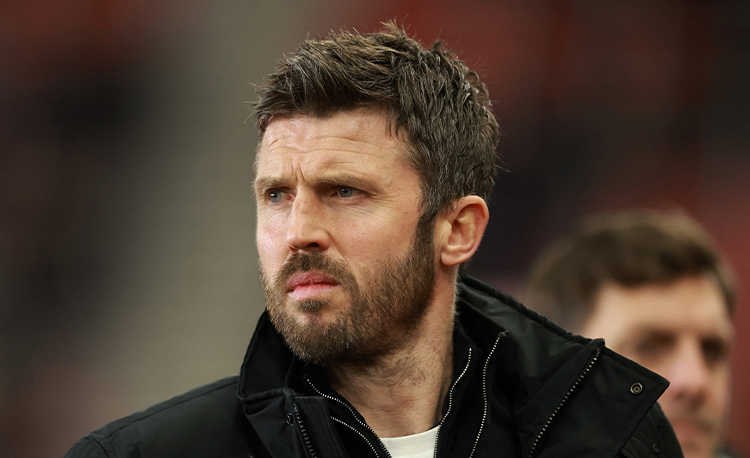
This session is all about turning defending into a fast attack. We do this by working together as a unit, staying connected, and blocking or screening passes. Players need to know what’s behind them in order to know what and where they need to block off. We are looking to press, regain and then breaking to score, by looking for a trigger to jump and apply pressure while blocking passing lines and cutting off angles.
Players enjoy the balance of free play with a structure to enable game-related situations that are very realistic, the combination of fast, lose attacks on transition to controlled second phase which gives a lot of variety to both attacking and defensive actions or habits, and the fact that the session has something for everyone to take valuable learnings from, which keeps everyone fully engaged.
Once the players understand the structure, routine and flow of the session then it’s the decision-making which is the main challenge, changing or flipping from fast and direct to slower more controlled. Different speeds and situations with different numbers of players requires concentration and understanding; it’s not repeating the same action over and over again, but certainly has continuity in the practice to enhance learning.
We would run this session regularly depending on fixtures, possibly every two or three weeks.
| Area |
Full pitch |
| Equipment |
Balls, bibs, mannequins, flat markers, mini goals, full size goals |
| No. of Players |
Players: 18 + 3 goalkeepers |
| Session Time |
Regain and break: Wave game: At coach’s discretion |
REGAIN AND BREAK
We set up on a half pitch, with an area marked out around the centre circle, two mini goals positioned as shown, four mannequins positioned ahead of the penalty box and a full size goal in place.
We have four teams of four, two in play at a time. One goalkeeper is in goal, with others ready to rotate in when teams rotate. Two coaches are on pitch to support different phases of the practice.
The practice starts when the central coach plays the ball to the team attacking the two mini goals. This team is set up to use the full width of the area. The coach joins in with them, creating a 5v4 against the defensive team of four. The defensive team is working together to protect the mini goals, looking to stay compact, force the ball wide and identify triggers to press and close the space to the ball, ultimately regaining it to break [1a].
[1a]

-
The coach plays the ball to the blue team, who are set up to stretch the area as they attack the two mini goals
-
The red team stay compact and slide across together, to protect the mini goals, as the ball moves
When the defensive team breaks, the first ball should be a fast ball through the central area, to the centre forward outside of the box. This player can then bounce to a progressing player, creating an up, back and through, and ultimately resulting in a shot on goal [1b].
While three of the attacking players attack with the centre forward, the wide player has gone wide to receive a pass from the coach out wide. The player bounces this pass back to the coach, then makes a curved run around the mannequin to receive a forward ball from the coach.
[1b]

- Having forced the ball backwards, the red team identify a trigger to press and close the space to the ball
-
One red player pressures a blue, while another steps to seize on a mistake and intercept a blue pass
-
The reds now break, playing a fast ball through the central area to the centre forward, who bounces it back to an advancing red, who plays through (up, back and through)
-
The red winger pulls out wide
-
The reds score
-
The yellow and green teams adjust their positions so they are ready for the next round of the practice, with the greens becoming the defensive team and the yellows set to take part in the next round
The winger crosses the ball for one of the attackers, who have retreated to be in a position to attack the cross, to connect with [1c].
While the two phases of this practice are taking place, the other two teams of four adjust their positions to allow for the rotation of teams and the continuation of the practice. The goalkeepers rotate after each round.
[1c]

- The winger receives a ball from the coach, bouncing it back to them, before receiving it back following a curved run round the mannequin
-
The players in the box reposition themselves in order to attack the cross
-
The winger crosses the ball, and the centre forward converts it
WAVE GAME
We set up from edge of box to edge of box, with the width extended two yards either side of the box. Two full size goals are positioned as shown, and flat markers are used to indicate the playing area for the first phase of the practice.
We have three teams of six, with one coach on the pitch to support the team in possession.
The practice starts when the coach plays the ball to the in-possession team. The coach supports this team, making it a 7v6. The in-possession team are encouraged to stretch the pitch and to play with patience, looking for the ideal opportunity to open up the defence and score. If they score, play restarts and they get a second attack. After this second attack, teams are rotated.
As with the regain and break practice, the defending team are looking stay compact, force the ball wide and identify triggers to press and close the space to the ball, ultimately regaining it to break [2a].
[2a]

- The blue team are the attacking team. They are set up to stretch the pitch and attack with a patient, creative build up
-
The red team are defending and must be compact and work together, identifying opportunities to press and regain
-
The coach starts with the ball, playing it to the blue team and joining them, making it a 7v6 in favour of the blues
If the defending team win the ball, they play through the coach to transition to attack [2b]. Four players attack the other half of the pitch, facing two players from the third team – the left back, right back and two midfielders don’t defend, only the central defenders do. The transitioning team are encouraged to play fast, penetrating quickly with crossover movements [2c].
Once the attack is complete, the teams reset their shape, and the defending team from the last round now starts as the attacking team in the other half [2d].
The practice continues in waves.
[2b]

- The reds force play backwards
-
The blues try to penetrate through the middle
-
The reds win the ball in the middle
[2c]

- The reds play through the coach to transition the other way
-
Four reds transition, facing two green centre backs
-
The reds attack quickly, using crossover movements
-
The reds score
[2d]

- The reds and greens reset their shape
-
The reds now start as the attacking team, with the green team looking to regain the ball and transition
coaching points
What are the key things to look out for?
We are looking to promote two types of attack: one fast penetration, with crossover movements; one slower and more creative, using patience with decision-making around when and how to penetrate, picking the moment to open up the defence, moving the ball, and making use of lots of forward runs.
What are the typical mistakes players might make and how do I avoid them?
To start with it can seem quite messy and maybe success with attacking can be limited but as players improve their understanding then it becomes very clear quite quickly and the changes in the roles within the attacks become apparent.
I want to see them recognising and behaving in different ways within the session depending on what phase they are in.
Related Files

Get a free issue
Latest Issue

Subscribe Today

Editor's Picks
Turning defence into a fast attack
Attacking transitions
Deep runs in the final third
Using the goalkeeper in build-up play
Intensive boxes drill with goals
Penetrating the final third
Creating and finishing
My philosophy
Pressing initiation
Coaches' Testimonials

Alan Pardew
Arsène Wenger

Brendan Rodgers
Carlos Carvalhal
José Mourinho
Jürgen Klopp
Pep Guardiola
Roy Hodgson
Sir Alex Ferguson
Steven Gerrard
Get a free eBook
Coaches' Testimonials
Gerald Kearney, Downtown Las Vegas Soccer Club

Paul Butler, Florida, USA

Rick Shields, Springboro, USA

Tony Green, Pierrefonds Titans, Quebec, Canada
Join the world's leading coaches and managers and discover for yourself one of the best kept secrets in coaching. No other training tool on the planet is written or read by the calibre of names you’ll find in Elite Soccer.
In a recent survey 92% of subscribers said Elite Soccer makes them more confident, 89% said it makes them a more effective coach and 91% said it makes them more inspired.
Get Monthly Inspiration
All the latest techniques and approaches


Since 2010 Elite Soccer has given subscribers exclusive insight into the training ground practices of the world’s best coaches. Published in partnership with the League Managers Association we have unparalleled access to the leading lights in the English leagues, as well as a host of international managers.
Elite Soccer exclusively features sessions written by the coaches themselves. There are no observed sessions and no sessions “in the style of”, just first-hand advice delivered direct to you from the coach.
