ZOOM Q&A WITH KEITH ANDREWS - FEB 25 - DETAILS HERE

 close
close


 LOGIN
LOGIN
Pre-season: setting the tone
In his latest feature for Elite Soccer, John Allpress – former assistant head of academy player and coach development at Tottenham Hotspur – says actions speak louder than words. And pre-season is the time to set the tone


When you’re welcoming your players back for pre-season training, it’s a great opportunity to set the tone for how you want things to proceed over the course of the campaign.
That might sound easy, but it needs consideration and planning.
More than 70% of all human communication is non-verbal. So simply saying something doesn’t really cut it, as actions speak louder than words, and even when you do say stuff, it isn’t what you say, it’s the way that you say it that has the most impact. Good skills to pick up in this regard are adopting an open posture when talking with the group, making eye contact, smiling, nods of understanding if the players have something to say and being comfortable with silence.
RIGHT ON TIME
As a first action that has the most impact, timekeeping sets the tone. “It’s better to be an hour early than a minute late.” That was the first piece of advice that Les Gore, the head of youth at Charlton Athletic, gave me when I started there as a part-time coach in the 1980s, and it’s stuck with me ever since. So be early and start on time. That sets you and your work up.
If you tell the group that the meeting or training starts at 10.30am, it has to start at 10.30am. Don’t wait; begin when you said you were going to start. The reason for this is to show respect for the people who have made the effort to be on time, not to worry about those who are late.
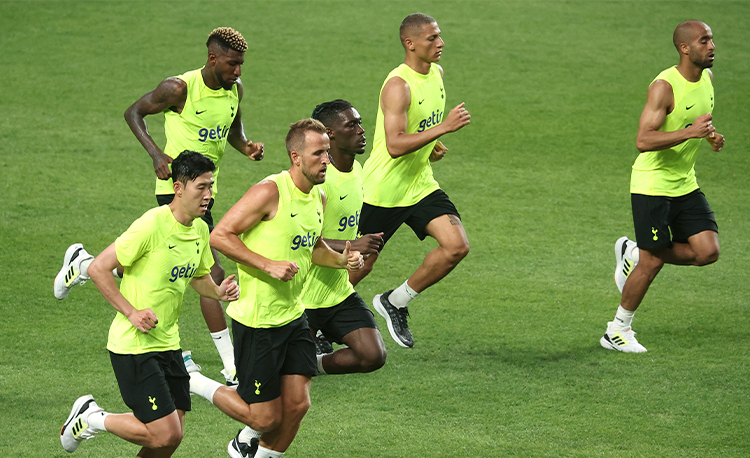
So what’s the message? The message is ‘I mean what I say’. If you wait and don’t start when you said you would, what’s the message then? Yes, you’ve guessed it. “I say one thing, but I don’t really mean it and you lot can behave however you want because I’m a soft touch.”
You don’t have to be confrontational or ask why people were late. You just have to start when you said you would. Youth coaches at any level of the game don’t have to win football matches but they do have to do things right, and timekeeping is where it begins. If you take care of the little things, the big things have a way of taking care of themselves. If you have a team rule about lateness, make sure you stick to it, so that everybody knows where they stand and the agreed consequences.
From this humble but vital beginning, you set the culture of your group and how we are going to go about things. Culture, after all, is often defined as ‘how we do things around here’ and good timekeeping is the first very important step.
LEAD THE GROUP
How you behave as a coach is so important because that sets a tone that runs like a golden thread throughout everything that you do when you work with your players in meetings or training, matchdays or tournaments. You are the leader and a role model and, whether you like it or not, your players will be watching your every move and assessing you, working out if they can trust you or not.
As the leader of the group, be honest and deliver clear messages to the players and their parents. Be yourself. Never promise what you can’t deliver, and strive to get to know the players in your group as far as that is possible.
If you are to help them improve, you need to know who they are, and what they need to do in order to get better, which in turn gives you the ideas of how you may be able to help them best. This is important because everybody is different and needs different things. The more personalised you can make your work, the more successful a coach you are likely to be.
“If you are to help them improve, you need to know who they are, and what they need to do in order to get better”
SAFETY, LEARNING AND RESPECT
You may think the easiest distinction to begin with is the one between grassroots and elite youth players. Actually, both groups have a lot in common, and this impacts the work the coach may do with them. Both groups need an environment based on safety, learning and respect.
I say ‘safety’ because players need to know it’s okay to simply have a go at stuff, even though they may not quite know what they are doing. This helps build confidence and self-worth. It’s also important that if some players want to learn and practice at training and some just want to play, there is recognition that both mindsets are okay, but both should be free to follow their path without the other trying to stop them. This is where respect comes in. Players must respect what each individual wants to get out of training and playing football.
Of course, in an academy, the situation will be different, where joining the programme implies the goal of a professional career playing football, but safety, learning and respect still applies.
Both groups tend to thrive in territory that isn’t boring or repetitive and is enjoyable. Therefore, setting the right challenges, and promoting curiosity and variety while having a bit of fun seems to lead to a successful and disciplined squad with a sense of belonging and camaraderie.
Related Files
THE ACADEMY CHALLENGE
Certainly, working in an academy is a different challenge for the coach, as many of the players are solely focused on becoming a professional footballer, which doesn’t tend to be the case in grassroots teams.
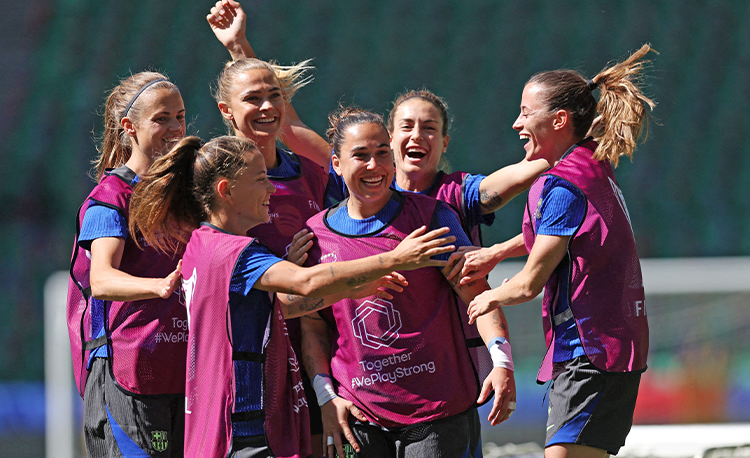
Within academies, while every player is decent, there are also the best players or super-elite group who are top-notch and often extra motivated. They want to win but are driven by mastery and the coach has to be ready to cater for them. These players must be encouraged to push the boundaries of what they know and can do: to love learning, practising and playing in equal measure, and to be inspired to play with courage and achieve their goals rather than play safe and stay stuck where they are.
These top players must learn to be reflective and self-driven, and the coach must promote within them a desire for constant improvement: to go home a better player, and to advance the development of their game via deliberate practice. Being in an academy is tough for the coach and the players as both have to be on it every time they turn up if they are to survive and thrive in the environment.
Setting a tone like this means the coach must always have their players’ backs, because even the best can have a bad day, especially while they are exploring and experimenting and learning new things. They must know that you understand this, and that you would rather they made a mistake than didn’t try anything, and that academies are first and foremost a learning and practice environment.
“Setting the right challenges, and promoting curiosity and variety while having a bit of fun seems to lead to a successful and disciplined squad with a sense of belonging and camaraderie”
Practically this is where things can differ for the academy and grassroots coach. The academy coach should always teach to the top of the group because the best players must always be challenged, and the rest have to keep up. The coach must also keep a weather eye on the peloton as well as the leaders, as a dedicated individual can always promote themselves from the pack, and the better players who may start to lack motivation can always fall by the wayside.
The academy coach may not always select the strongest team depending on the needs of the players and the opposition. Even the super-elite players may have to start on the bench and individuals may have to play in different positions to bolster their development. Managing these situations can be tricky at the best of times, as parents only ever really watch and support their own children and sometimes need a reality check.
The culture of the club or academy you work in will often determine how you work with your players on a macro level. For example, does the club care about winning over everything else? This can impact a lot of things when it comes to you setting the tone or the messages you give off in training sessions and on matchdays or in tournaments. If a match result is the be-all and end-all, this may well impact team selection and if or when substitutes get their opportunities. This in turn affects learning, development and players’ attitudes, especially if the coach is feeling pressured from the people in charge.
BUILDING TRUST
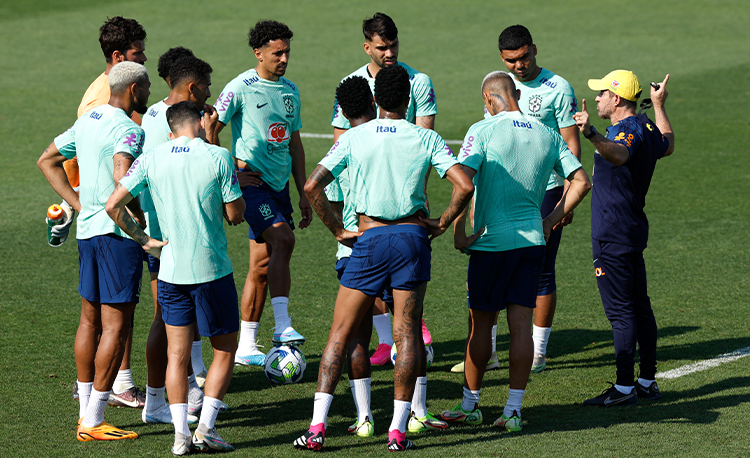
On the micro level, building trust as a coach is really important as you are unlikely to be able to really help your players if they don’t trust you or what you say. Dennis Collins, the first headteacher I worked for, gave me a really good insight into this back in 1975 at my first teaching job. He told me that I would talk to the kids I warmed to seven times more than the ones I didn’t, that they would notice it, and there was nothing I could do about it because it was how humans interacted and behaved in a social setting. He said to gain the trust of the pupils I had to make sure I was fair. So if a kid deserved praise or an opportunity, I must make sure they got what their efforts deserved, no matter who they were. He said both the group and the individual would notice my behaviour and conclude that even though I didn’t warm to that person, it didn’t stop me helping them when they deserved it. In that way I would have a good chance of getting the respect and trust of the classes I taught. That was really good advice seeing as I stayed on at that school for the next 13 years.
Working with young players is fun but challenging. Players need to turn up with the right attitude but it’s up to the coach to set the tone and the mood music technically, physically, psychologically and socially, principally because you are operating in all four corners of player development the minute you open your mouth, and they begin to kick a ball, run around, make a mistake and listen to what you and their teammates say.
COACHING IS COMPLEX
Coaching is complicated and dependant on the context and the situation. There are soft skills and subtleties that have to be mastered and depend on the needs of the individual, the work being undertaken, the age and proficiency of the players involved, the size and mood of the group, the culture of the club and the academy, what the coach cares about and holds to be true and the aims of the coaching.
Into this melee, which is multifaceted and highly unpredictable, setting the right mood and tone is vital to mission success. A youth coach cannot be beguiled by results and should be unafraid to lose. That means the tone they set will always put the development needs of the individual players first, no matter who they are playing or the state of the game.

Get a free issue

Latest Issue

Subscribe Today

Editor's Picks
Turning defence into a fast attack
Attacking transitions
Deep runs in the final third
Using the goalkeeper in build-up play
Intensive boxes drill with goals
Penetrating the final third
Creating and finishing
My philosophy
Pressing initiation
Coaches' Testimonials
Alan Pardew
Arsène Wenger

Brendan Rodgers
Carlos Carvalhal
José Mourinho

Jürgen Klopp
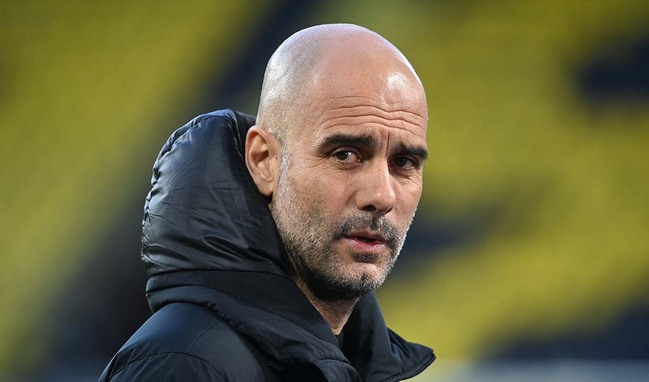
Pep Guardiola
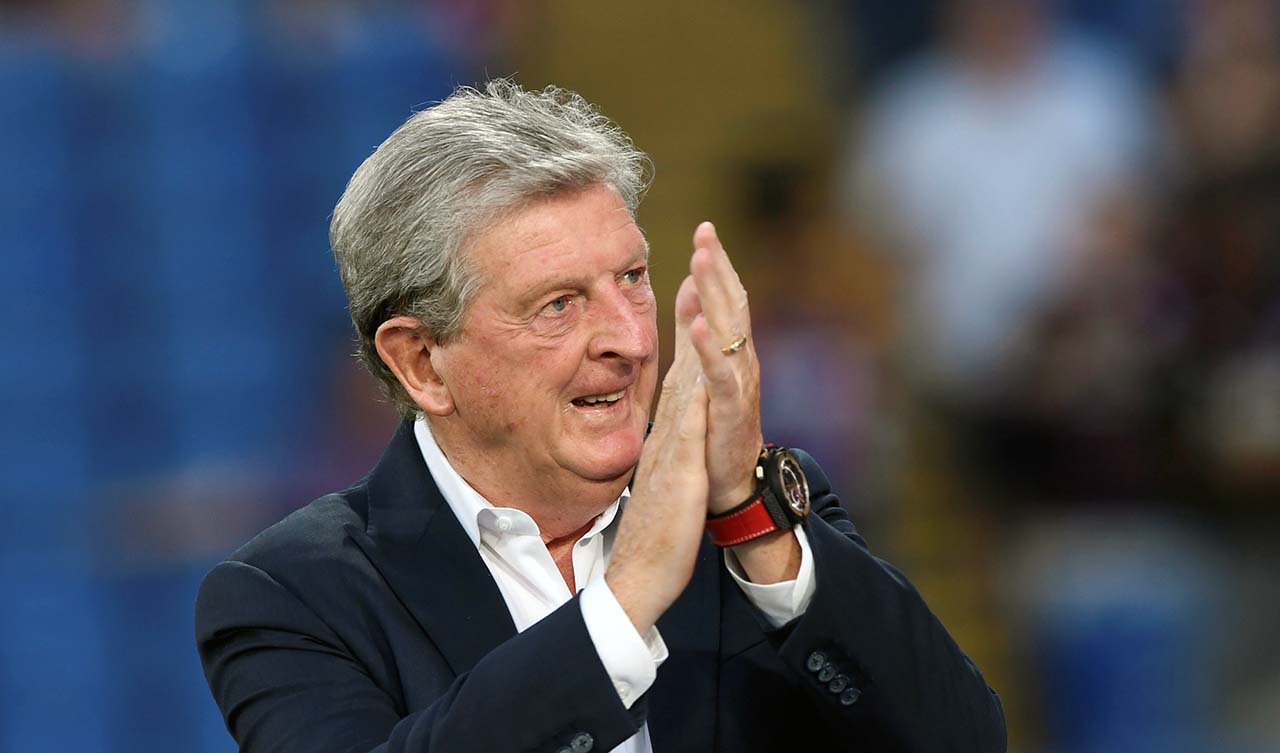
Roy Hodgson
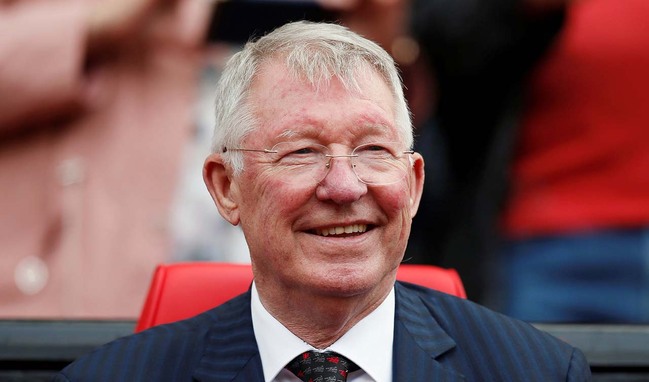
Sir Alex Ferguson
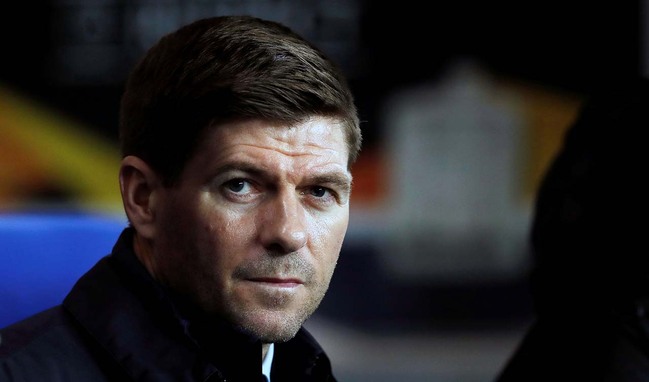
Steven Gerrard
Latest Issue
Get a free eBook
Coaches' Testimonials

Gerald Kearney, Downtown Las Vegas Soccer Club

Paul Butler, Florida, USA

Rick Shields, Springboro, USA

Tony Green, Pierrefonds Titans, Quebec, Canada
Join the world's leading coaches and managers and discover for yourself one of the best kept secrets in coaching. No other training tool on the planet is written or read by the calibre of names you’ll find in Elite Soccer.
In a recent survey 92% of subscribers said Elite Soccer makes them more confident, 89% said it makes them a more effective coach and 91% said it makes them more inspired.
Get Monthly Inspiration
All the latest techniques and approaches


Since 2010 Elite Soccer has given subscribers exclusive insight into the training ground practices of the world’s best coaches. Published in partnership with the League Managers Association we have unparalleled access to the leading lights in the English leagues, as well as a host of international managers.
Elite Soccer exclusively features sessions written by the coaches themselves. There are no observed sessions and no sessions “in the style of”, just first-hand advice delivered direct to you from the coach.
