ZOOM Q&A WITH KEITH ANDREWS - FEB 25 - DETAILS HERE

 close
close


 LOGIN
LOGIN
You are viewing 1 of your 1 free articles
Master the Body; Master the Ball; Master the Game
John Allpress, Elite Soccer player and coach developer, looks at the best ways to improve decision-making and effective actions.


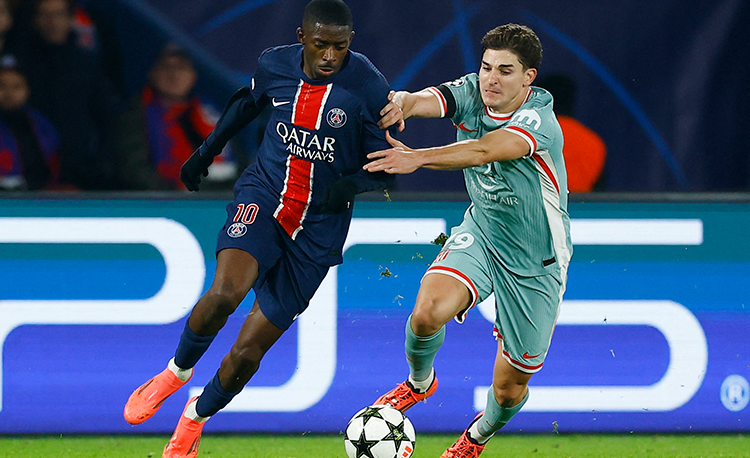
The very best footballers make the best decisions and execute the most effective actions more often, but how do they develop these skills more effectively than their peers and then maintain them as their careers progress from the youth game into the adult game?
Unopposed, focused technical practice beginning at a young age is undoubtedly a significant part of the puzzle. In order to execute the best decisions and actions regularly, on demand, under pressure in a match, more often than the rest of us, being two-footed and able to go both ways is a distinct advantage. The earlier players can start practising, the more secure these skills will be.
The benefits of unopposed and semi-opposed technical work are that they provide a focused, skills-based foundation within a controlled environment where players can practise their brilliant basics, making them secure and less likely to break under matchday pressures. Unopposed practice helps the youngest and less experienced players to learn to practise and consolidate basic skills – like receiving to turn, shoot, dribble, pass, and run with the ball – as well as controlling the ball coming at them at varying heights and speeds using their feet, thighs, chest and head.
Repetitive, focused practice helps players develop strong neural pathways and muscle memory. It should always be mirrored using both feet and going both ways so that skills can be evenly developed and coordinated to the demands of the decision being made and the action that results from it. For example, receiving the ball and turning with the right foot to go right and then passing the ball with the left foot accurately over the required distance to its target.
In this type of unopposed work, the focus can be a particular technical aspect that can be practised purely without distraction, allowing for greater precision in movement, slower execution if necessary and more concentration on the mechanics of the technique involved.
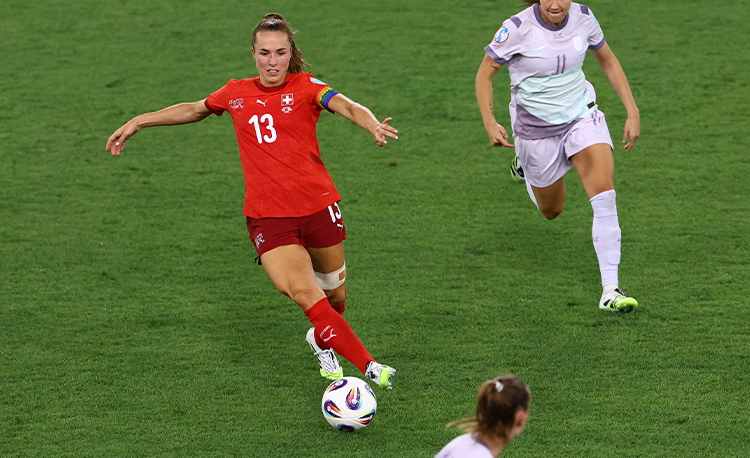
No rush
Mastering a technique in isolation can build a certain level of confidence before attempting to apply it in the more rigorous and risky circumstances that full-on games and matches present. But even the youngest footballers must learn to work and practise in semi- and fully-opposed situations before techniques are fully secure, because to become more skilful, they need to know where and where to apply things as well as know how to do them. There is no rush, and a return to unopposed practices is perfectly acceptable and should not be regarded as regressive by either player or coach.
Unopposed technical work can be a useful warm-up and a valuable tool on days when a low mental workload is desired, even for older, more experienced players, as well as for those who are just starting out. How we coach and what we coach depends, to a large extent, on who we are coaching and what we are coaching them for, and unopposed, semi-opposed, and fully-opposed work all have their part to play in the overall player development process. Unopposed, focused deliberate practice can still challenge the best players and be competitive, but it should also be as realistic and as game-related as possible (eg directional and finishing with a shot at a goal).
Excellence skills have to be intentional and deliberate and not just one-off brilliance or happen by accident. Patterns of movement like combination play or third-person running must be repeatable, and skills like first touch, passing the ball and shooting must be consistent. The ultimate is to be able to execute the right skill at the right time, regularly, on demand, under pressure, in a match. In order to attain these levels, players have to be able to master their body by developing their neural network, master the ball through focused deliberate practice and master the game by building their toolbox of knowledge and know-how of how football works.
Unopposed work should be started at a young age, and should remain a key ingredient for training to maintain the neural network and ball skills as players pass through the foundation phase (8-12), into the youth development phase (13-16) and on into the professional development phase (17-21). Practice makes permanent and excellence should be repeatable.
Related Files
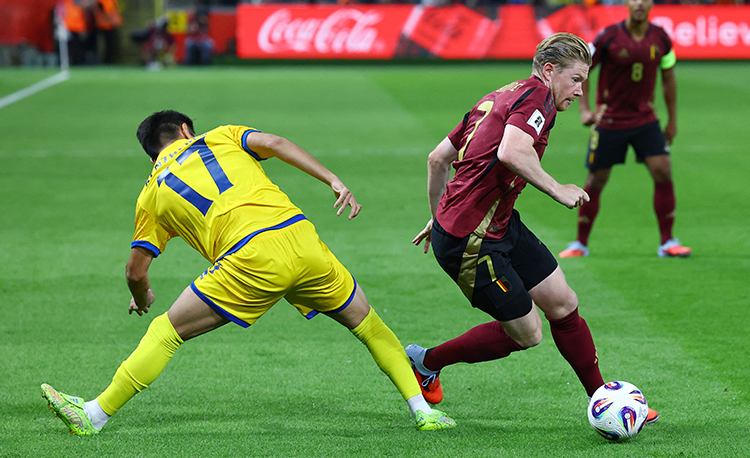
One type of opportunity
The game is not the teacher. Game-like practices are vehicles that provide players with the opportunities to become reliable and consistent, to learn and to practise. But they are only one type of opportunity. There are also unopposed and semi-opposed practices, small-sided games and match play, which, with appropriate coach guidance, leadership and support, help players get better, preparing them for adult football.
If that career is to be played out at a high level, players must be able to receive and play off both feet and go in whatever direction the action demands. If they cannot do this, their ability to make and execute decisions during a match will be severely compromised. Weak foot and weak side practice is vital throughout a player’s career, firstly to wake up the neural pathways within the neural network so messages can be sent quickly and efficiently along a motorway instead of a meandering garden path, and secondly to develop and maintain muscle memory and strength. We know that most top players have a wand, but it’s crucial not to be compromised on your weaker side if the action required demands its use.
Confidence is certainly boosted by practising in unopposed and semi-opposed focused technical work, but it is supercharged when performed effectively in small-sided games, games in training and matchplay where an appropriate challenge, condition or constraint will help players become more skilful and masters of their craft.
A young footballer at 12 must leave the foundation phase with their neural network awake and ripe for development, their muscle memory and core strength ready to be enhanced by further focused deliberate practice, be able to receive the ball, control it and play off of both feet, have knowledge of how the football works and be ready to master it with all the surfaces of the foot in order to build a relationship with it, possess the skills and understand how to dominate an opponent in an 1v1 and an overload situation – because good dribblers can undo even the tightest defences.
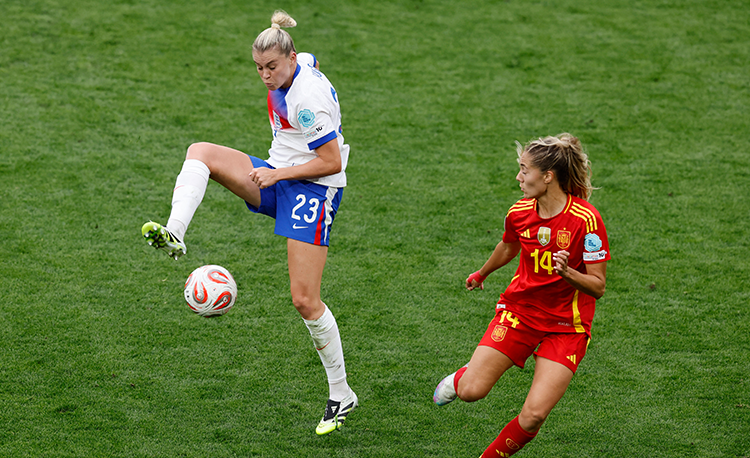
Once these areas are awakened there is scope for further development. But working to develop skilful footballers with sound techniques and solid decision-making abilities who can produce the right answers routinely to the problems the modern game poses is a big challenge for coaches nowadays, especially as young players are more compartmentalised in society today. Gone are the hours playing street or playground football without adult pressure and criticism. Gone are the powerful physical education programmes of the past where playing sport at school was seen as a natural and worthwhile precursor to the world of adult sports and games. The contemporary coach must find a way to reproduce at least some elements of this bygone positive learning and practice environment where kids can learn, practise and play without the constant threat of adult judgement to curb their curiosity and creativity every time they pull on their kit and boots to go out and perform in what is tantamount to adult surroundings.
How to make the most of unopposed focused deliberate practice
- Ensure players have a ball each so they stay engaged, ball contacts are maximised and waiting times are minimised.
- Link up unopposed work to more complex opposed activities, even with the youngest players, by using the whole-part-whole method to provide a clear rationale for them to join the dots of where the technique they are learning fits in the game (the techniques don’t have to be secure for this interconnection to happen).
- Focus on relevant skills to ensure the work being undertaken is fundamental to the game and can be easily transferred to real situations players will face in the future.
- Aim to blend unopposed technical work seamlessly with other formats like semi-opposed, small-sided football, game related practice and match play to develop skilful footballers with sound decision-making and tactical awareness.
Unopposed practice is a valuable tool. It allows individuals to learn and practise in a less pressurised environment where they can build confidence in the movement and in what they are being asked to perform. It allows for the development of the neural network and pathways at an age where they are at their most pliable and receptive, which forms the basis of being able to execute actions regularly, on demand, under pressure in match play. Without this time spent working on mastering becoming two-footed and two-sided throughout their youth careers executing the right actions in the hurly-burly of the adult game would be much more difficult.

Get a free issue
Latest Issue
Subscribe Today
Editor's Picks
Turning defence into a fast attack
Attacking transitions
Deep runs in the final third
Using the goalkeeper in build-up play
Intensive boxes drill with goals
Penetrating the final third
Creating and finishing
My philosophy
Pressing initiation
Coaches' Testimonials
Alan Pardew
Arsène Wenger
Brendan Rodgers
Carlos Carvalhal
José Mourinho
Jürgen Klopp
Pep Guardiola
Roy Hodgson
Sir Alex Ferguson
Steven Gerrard
Get a free eBook
Coaches' Testimonials
Gerald Kearney, Downtown Las Vegas Soccer Club

Paul Butler, Florida, USA

Rick Shields, Springboro, USA

Tony Green, Pierrefonds Titans, Quebec, Canada
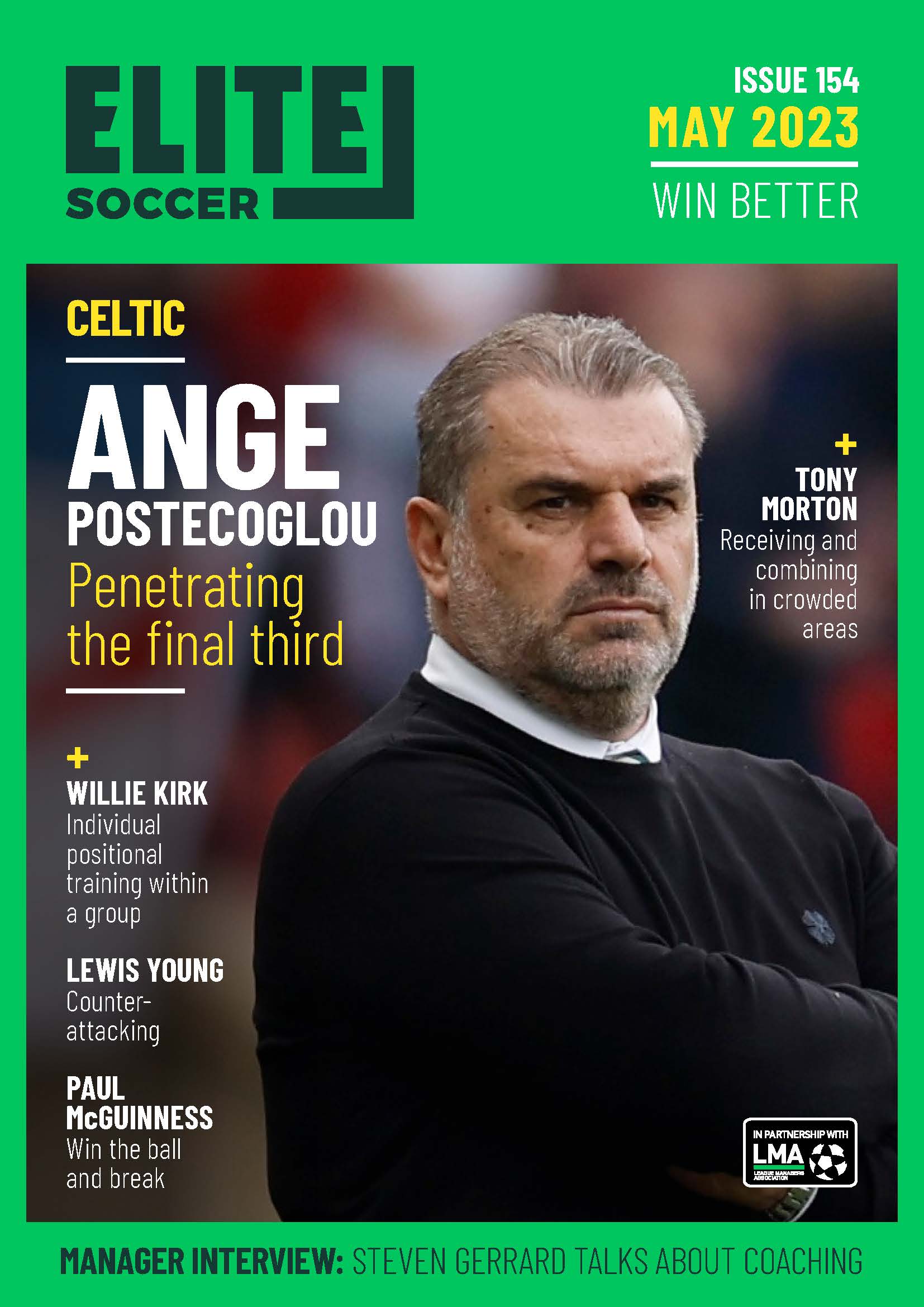
Join the world's leading coaches and managers and discover for yourself one of the best kept secrets in coaching. No other training tool on the planet is written or read by the calibre of names you’ll find in Elite Soccer.
In a recent survey 92% of subscribers said Elite Soccer makes them more confident, 89% said it makes them a more effective coach and 91% said it makes them more inspired.
Get Monthly Inspiration
All the latest techniques and approaches


Since 2010 Elite Soccer has given subscribers exclusive insight into the training ground practices of the world’s best coaches. Published in partnership with the League Managers Association we have unparalleled access to the leading lights in the English leagues, as well as a host of international managers.
Elite Soccer exclusively features sessions written by the coaches themselves. There are no observed sessions and no sessions “in the style of”, just first-hand advice delivered direct to you from the coach.
